

Motorvero
December 12, 2024

Motorvero
December 12, 2024

Motorvero
December 12, 2024

Motorvero
December 12, 2024

Motorvero
December 12, 2024

Motorvero
December 12, 2024

A cabin air filter is a critical component in modern vehicles designed to cleanse the air that circulates through your car’s heating, ventilation, and air conditioning (HVAC) system. Most vehicles on the road today include this filter as a standard feature. Hidden behind your dashboard, often accessible by removing the glove box or a dedicated panel, this filter acts as a gateway for outside air entering the cabin.
Motorvero
December 12, 2024

When the weather is hot and muggy, having fully functional air conditioning in your car can feel like a lifeline. Yet, many drivers find themselves stuck in traffic with windows rolled down, sweat beading on their foreheads, and warm air blowing from the vents. If you’ve ever asked yourself, “Why is my car’s AC not working?” you are not alone. There are several reasons behind a poorly performing or completely non-functional climate control system, and learning to identify these causes can save you both time and money.
Motorvero
December 12, 2024

Nearly every modern vehicle comes equipped with an air conditioning (AC) system designed to manage cabin temperature and humidity. Contrary to common belief, these systems do not actually produce cold air. Instead, they extract heat and moisture from the air inside the car, transferring it outside.Nearly every modern vehicle comes equipped with an air conditioning (AC) system designed to manage cabin temperature and humidity. Contrary to common belief, these systems do not actually produce cold air. Instead, they extract heat and moisture from the air inside the car, transferring it outside.
Motorvero
December 12, 2024

To fully service a vehicle’s air conditioning system, you will typically need a set of AC manifold gauges, a dedicated flush kit, and a vacuum pump. These tools help identify system pressures, remove contaminants, and restore optimal refrigerant levels, ensuring consistent cooling performance.
Motorvero
December 12, 2024
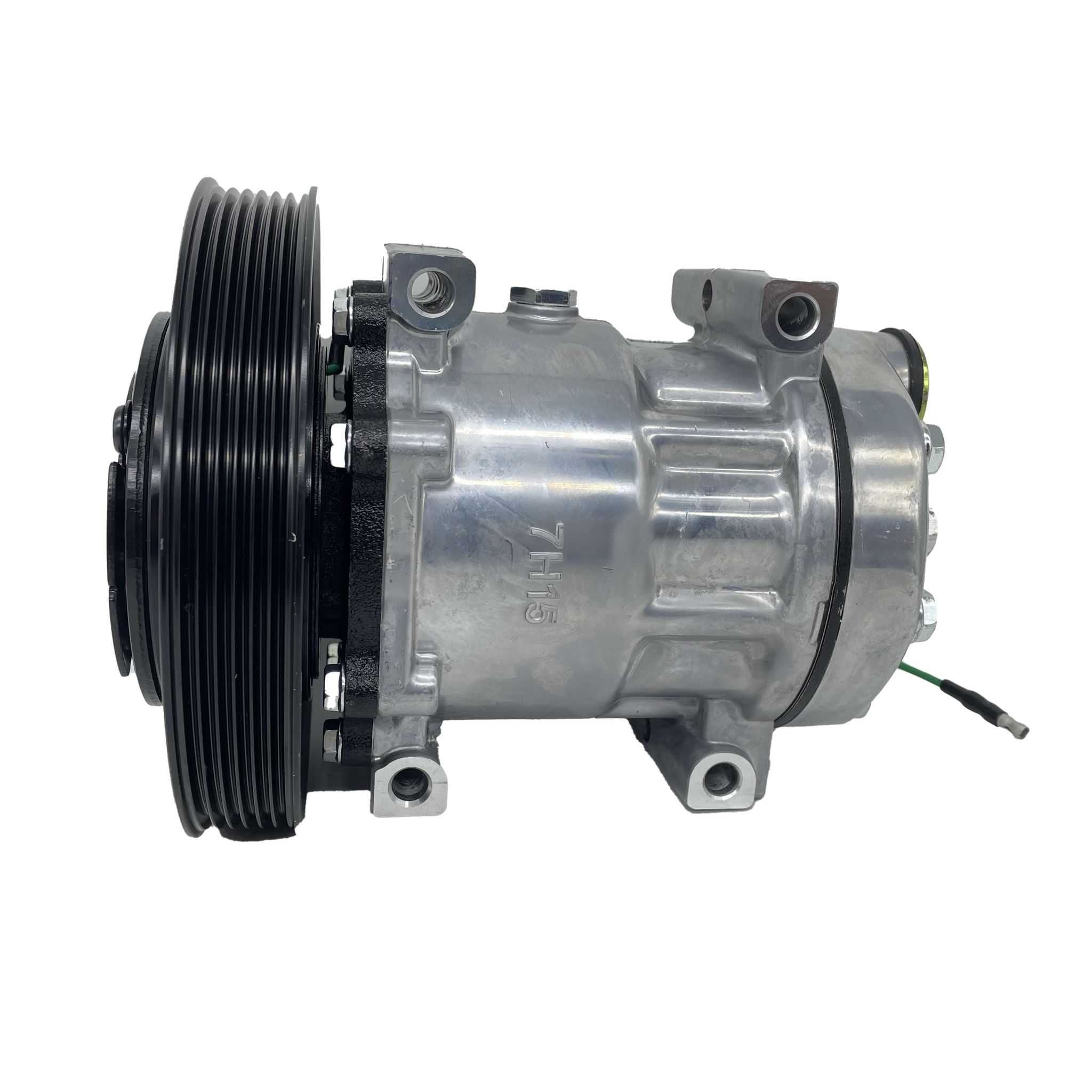
The air conditioning compressor stands as one of the central components within your car’s climate control system. This small yet powerful device transforms low-pressure refrigerant gas into a high-pressure state, enabling it to circulate through the system’s condenser, evaporator, and associated components.
Motorvero
December 12, 2024

An Engine Coolant Temperature (ECT) sensor, sometimes referred to as a coolant temperature sensor or engine temperature sensor, monitors how hot or cold the engine’s coolant is at any given moment. This component is generally a small, threaded sensor that screws directly into the cooling system housing, most often into or near the thermostat housing, the cylinder head, or a water passage. Its core purpose is to convey accurate temperature data to the vehicle’s electronic control unit (ECU), which then makes ongoing adjustments to maintain stable engine operation.
Motorvero
December 12, 2024

As summer temperatures intensify across the United States, the effects on people are immediately noticeable: sweltering commutes, sweaty brows, and an unrelenting desire to find even the slightest hint of shade. Yet it’s not only humans that feel the brunt of the heat. Vehicles, too, are subject to the relentless beating sun and elevated temperatures that can stress or degrade their various components. Prolonged exposure to UV rays can fade automotive paint, harden and crack interior trims, and weaken rubber components like belts and seals. Intense heat can also influence the fluids that keep your vehicle running smoothly, accelerating the breakdown of oils and coolants or causing vapors to form in fuel lines.
Motorvero
December 12, 2024

Maintaining a comfortable climate inside your vehicle is essential regardless of external temperatures. A properly functioning car air conditioning (AC) system ensures that interior conditions remain stable, enhancing both comfort and safety.
Motorvero
December 12, 2024

When you turn on your car’s air conditioning to escape a blazing summer day or a humid environment, the last thing you want is a wave of unpleasant odors hitting your senses. Yet this scenario is all too familiar to many drivers: a musty, sour, or even strangely sweet smell emanating from the vents. Unpleasant odors do more than make a drive uncomfortable. They often indicate underlying issues that could affect your health, your car’s performance, and its overall longevity.
Motorvero
December 12, 2024