Articles & Advices
Discover our library of in-depth articles and valuable advice
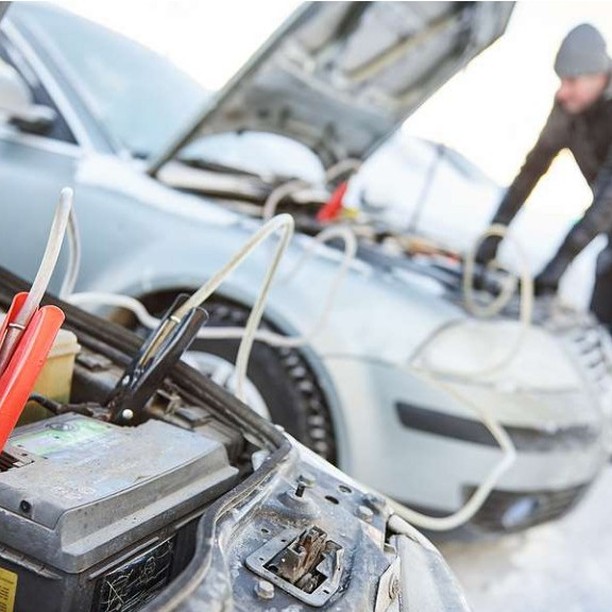
Is It Safe to Jump-Start a Car in the Rain?
by Write
Experiencing a dead car battery is frustrating enough, but encountering this issue during rainy weather can add layers of inconvenience and concern. Many drivers wonder whether it's safe to jumpstart a vehicle in wet conditions. This guide provides detailed steps and essential safety precautions to help you navigate jumpstarting your car safely in the rain.
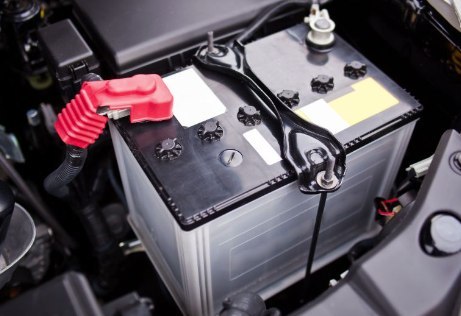
Effective Tips to Safeguard Your Car Battery During Cold Weather
by Write
Cold temperatures pose significant challenges to car batteries. The chemical reactions within the battery slow down, reducing its ability to generate power. Additionally, the engine requires more energy to start, increasing the strain on the battery. These factors can lead to decreased performance and potential battery failure during winter.
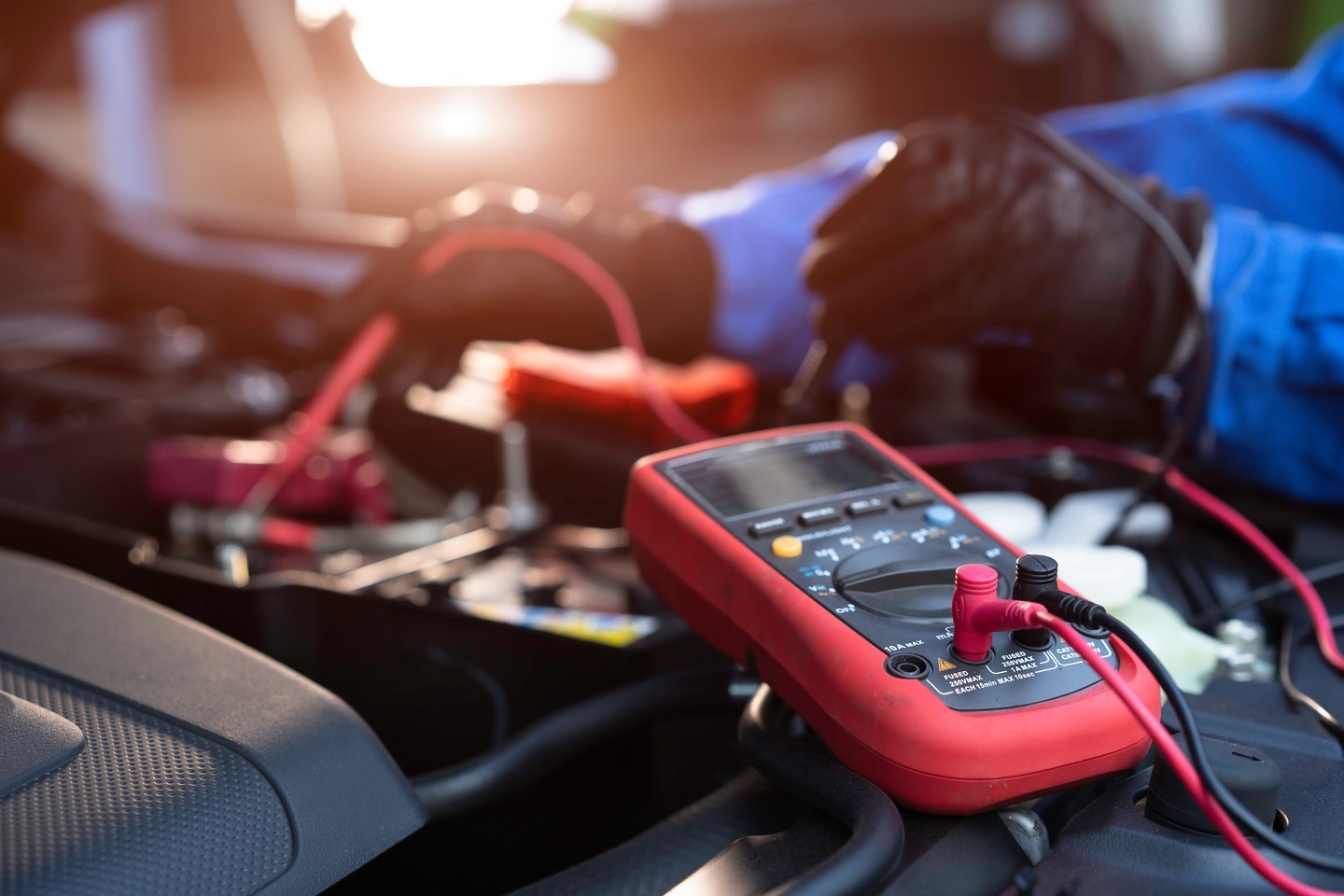
Step-by-Step Guide: How to Jump-Start Your Car Alone (With or Without Another Vehicle)
by Write
Having access to a second vehicle or a portable jump starter can make the process straightforward. This guide will walk you through various methods to revive your car’s battery independently, emphasizing safety and effectiveness.
All articles
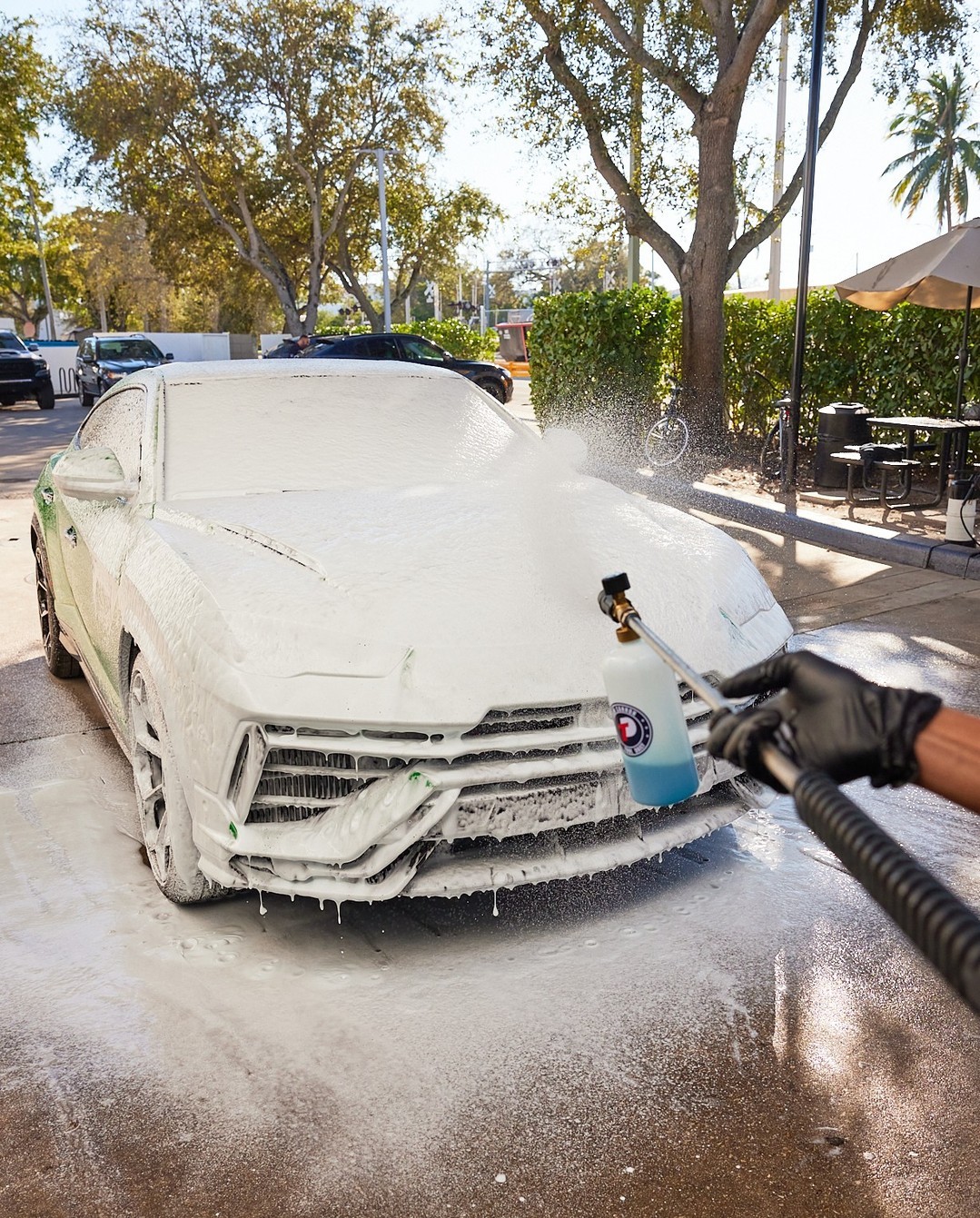
Basic Car Maintenance You Can Do Yourself
by Write
Basic car maintenance tasks you can do yourself include oil changes, tire pressure checks, air filter replacements, fluid top-offs, wiper blade changes, and basic battery maintenance. These DIY tasks can save hundreds in maintenance costs while helping maintain your vehicle's value and performance.
What Does RPM Stand For? Revolutions Per Minute Explained
by Write
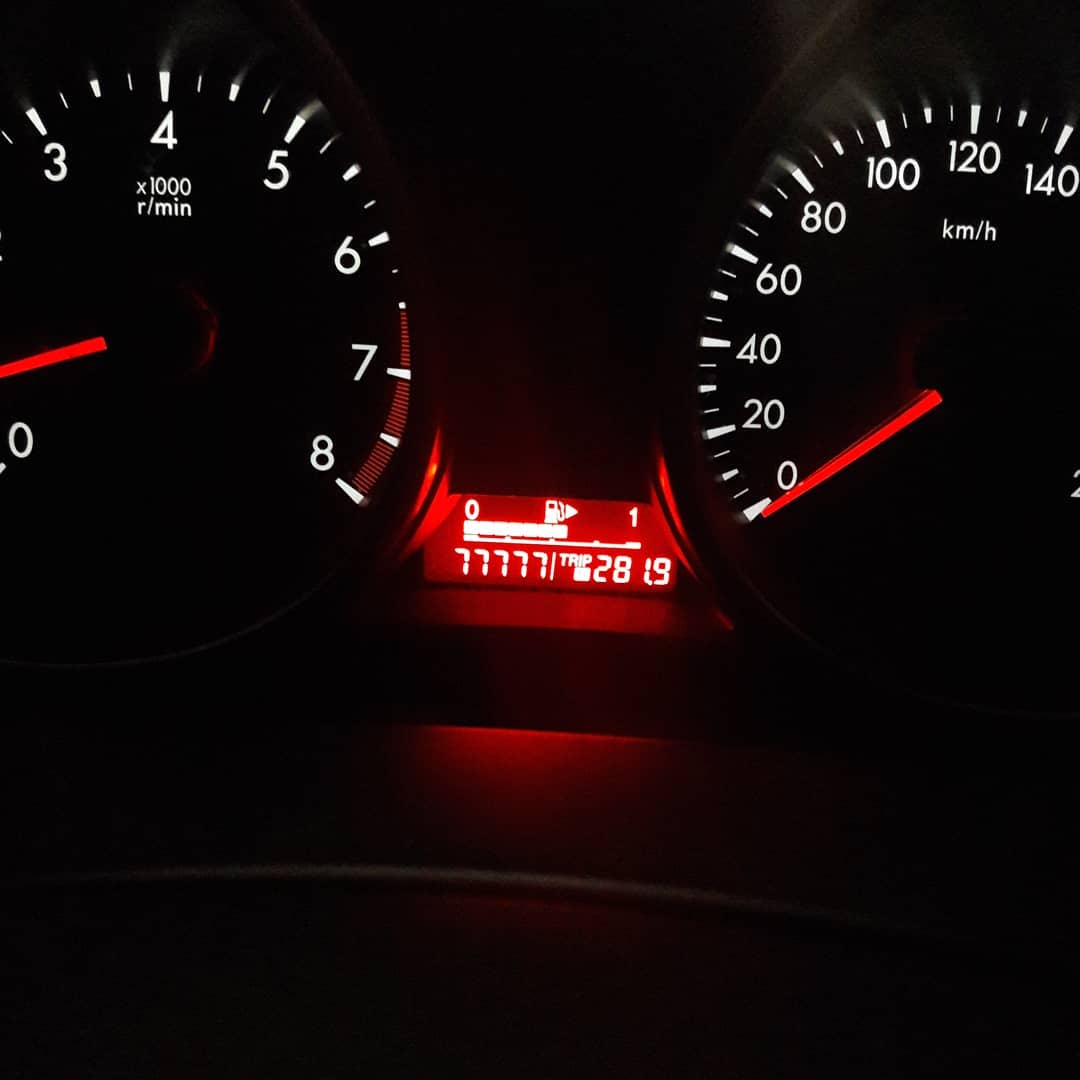
RPM (Revolutions Per Minute) measures how many times a car's engine crankshaft completes a full rotation in one minute. Most passenger vehicles idle at 600-1,000 RPM and have redlines between 6,000-7,000 RPM. Peak power typically occurs between 4,500-6,500 RPM in naturally aspirated engines.
Car Tire Guide: How to Choose, Maintain & Replace Tires
by Write
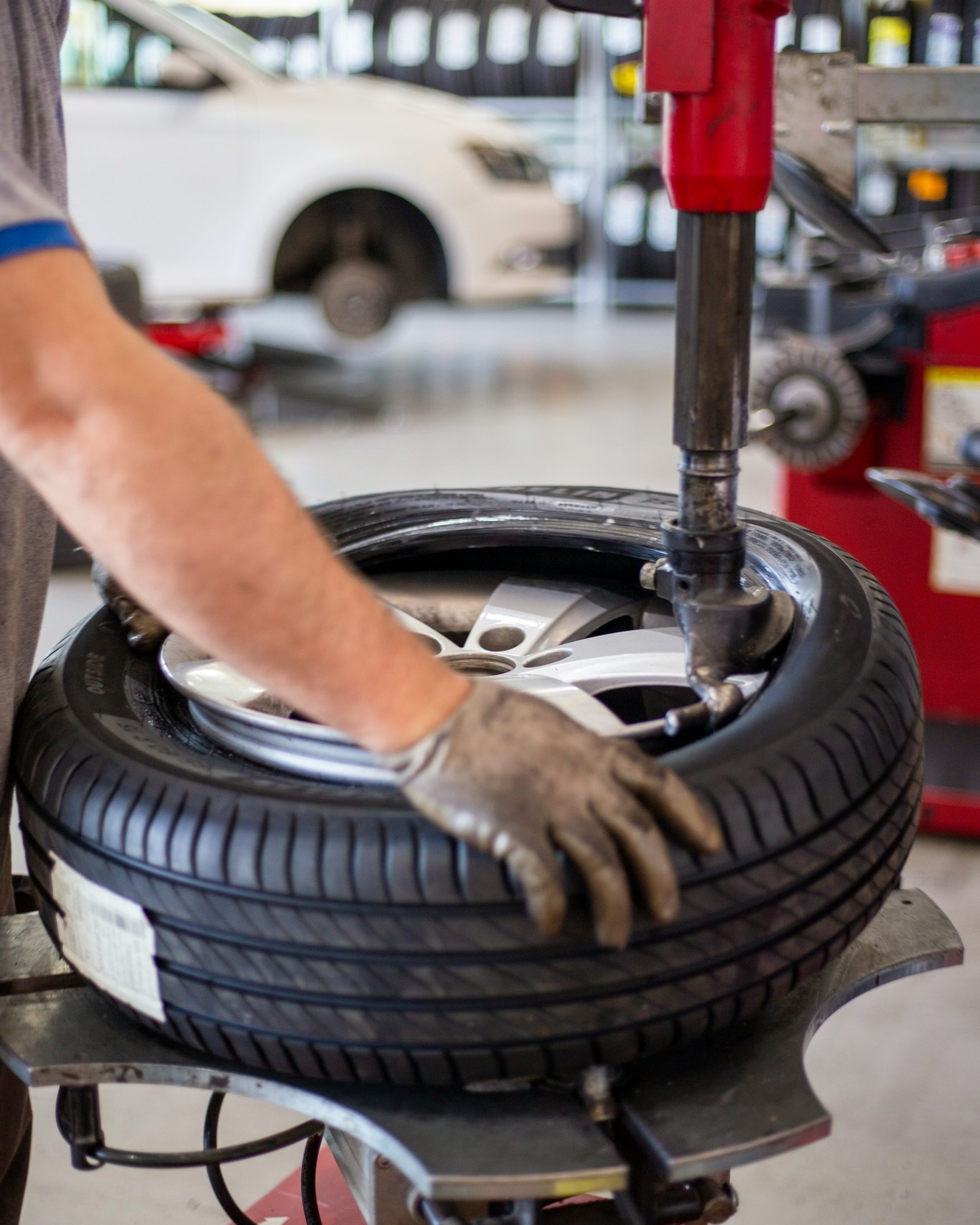
Your tires represent one of the most significant safety investments you can make in your vehicle. Understanding tire basics, maintaining proper care, and making informed purchasing decisions will not only enhance your driving experience but also protect you and your passengers on the road. Remember that while quality tires may require a higher initial investment, the long-term benefits in terms of safety, performance, and peace of mind make them well worth the cost.
How to Wash Your Car Like a Pro: Step-by-Step Guide
by Write
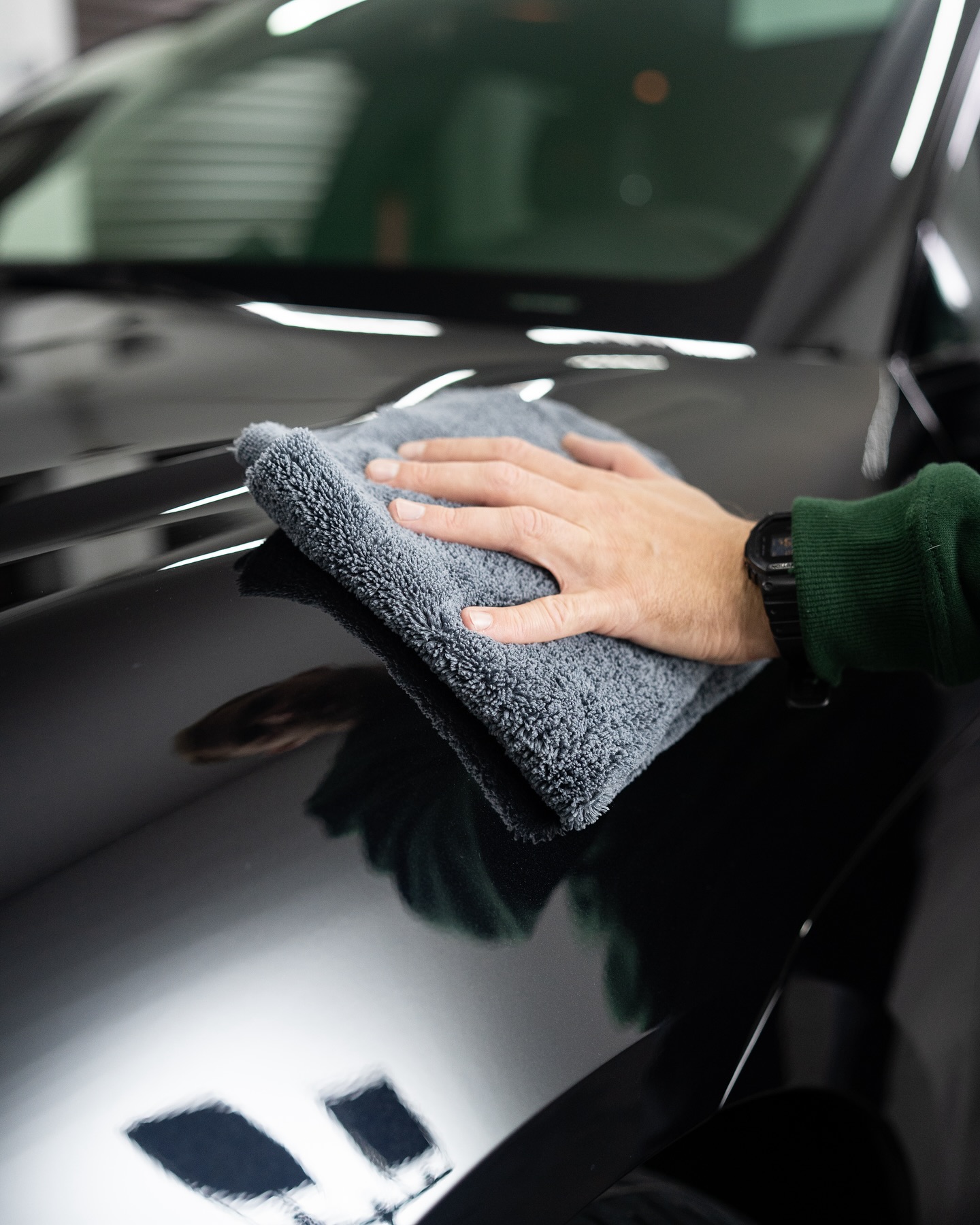
A properly cleaned car isn't just about aesthetics—it's an investment in your vehicle's longevity and value. While professional detailing services have their place, mastering the art of car washing at home can save money while ensuring your vehicle receives regular, high-quality care. This comprehensive guide will walk you through professional-grade car washing techniques that protect your vehicle's finish and maintain its value.
Check Engine Light On? Here's What You Should Do Next (Step-by-Step Guide)
by Write
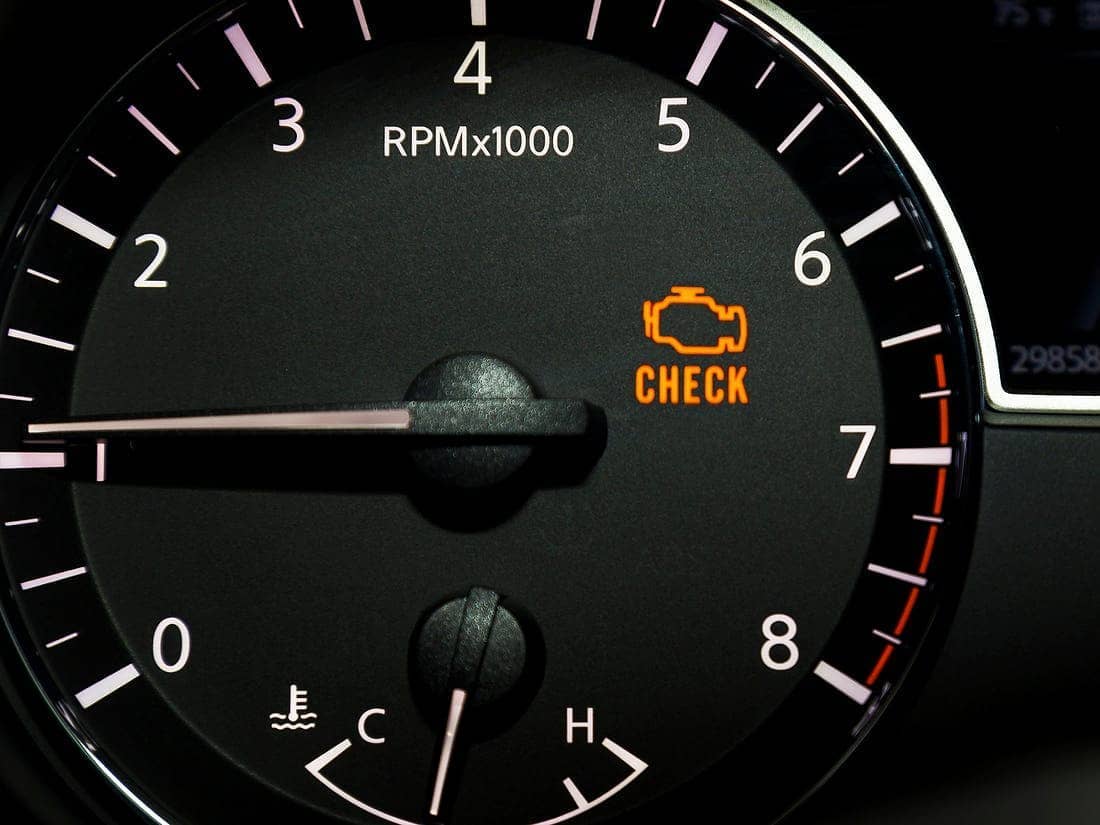
The check engine light, also known as the malfunction indicator lamp (MIL), is a vital component of your vehicle's onboard diagnostics system. When illuminated, it alerts you to potential issues with your car's engine, emission control system, or other related components. While it can be unsettling to see this warning light appear on your dashboard, it's essential to understand what it means and the appropriate steps to take when it comes on.
How to Use Touch-Up Paint to Repair Car Scratches Like a Pro
by Write
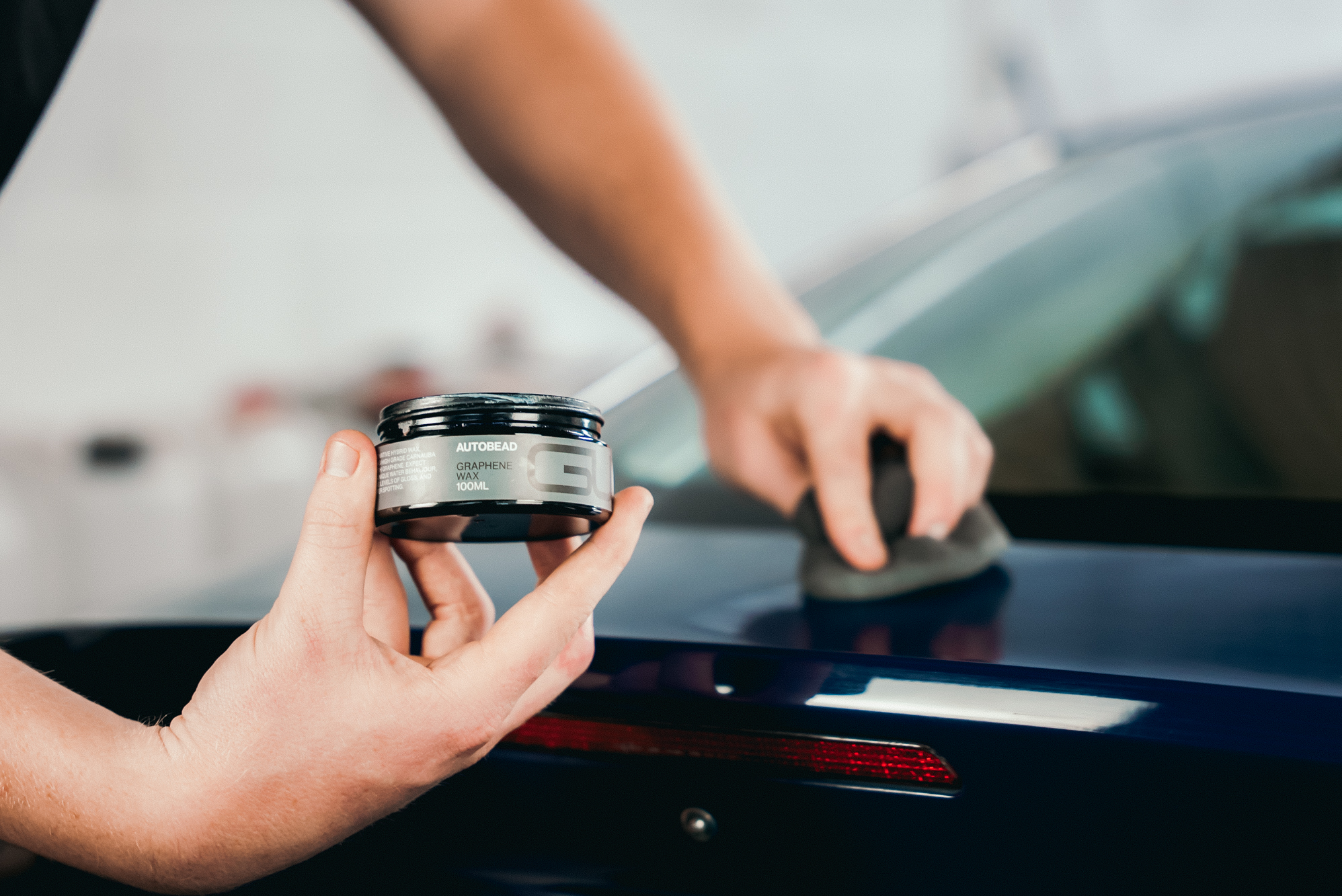
As a car owner, it's inevitable that your vehicle's paint will experience wear and tear over time. Deep scratches, chips, and blemishes can detract from your car's appearance and expose the underlying metal to potential rust and corrosion. While professional auto-body repairs are always an option, they can be expensive. Fortunately, with the right tools, materials, and a little patience, you can achieve impressive results by fixing minor paint imperfections at home.
Essential Tips for Safe Winter Driving: How to Handle Snow and Ice on the Road
by Write
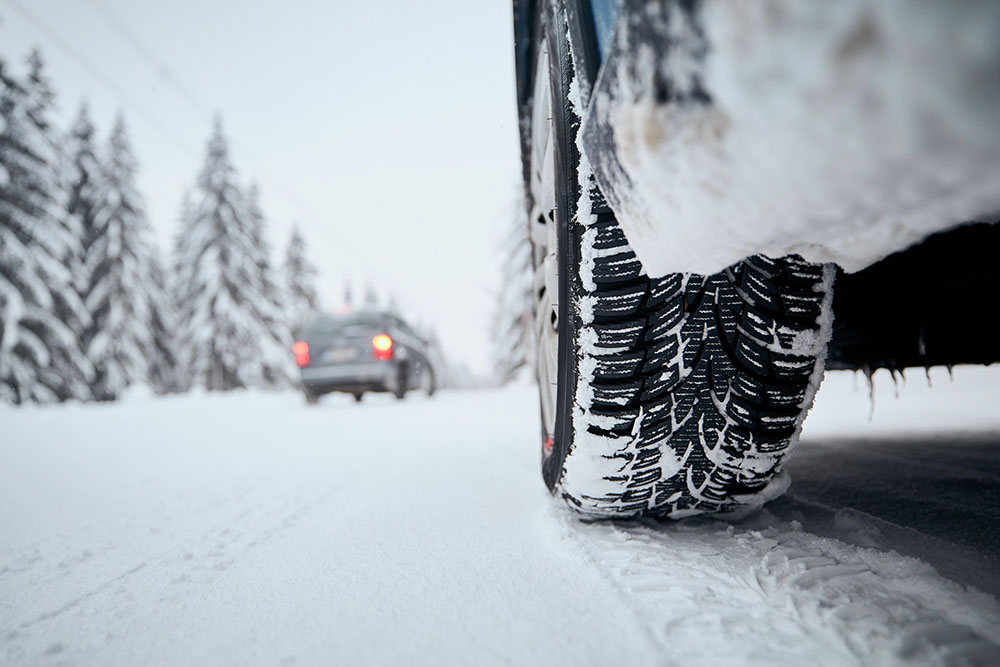
Winter weather can present significant challenges for even the most experienced drivers. Snow, ice, and freezing temperatures can make roads treacherous and increase the risk of accidents. However, with proper preparation and knowledge of safe winter driving techniques, you can navigate the roads with confidence and reduce your chances of being involved in a collision. In this comprehensive guide, we'll cover everything you need to know to stay safe behind the wheel this winter.
Does Cruise Control Really Save Gas? Discover Top Fuel-Saving Tips and Tricks
by Write
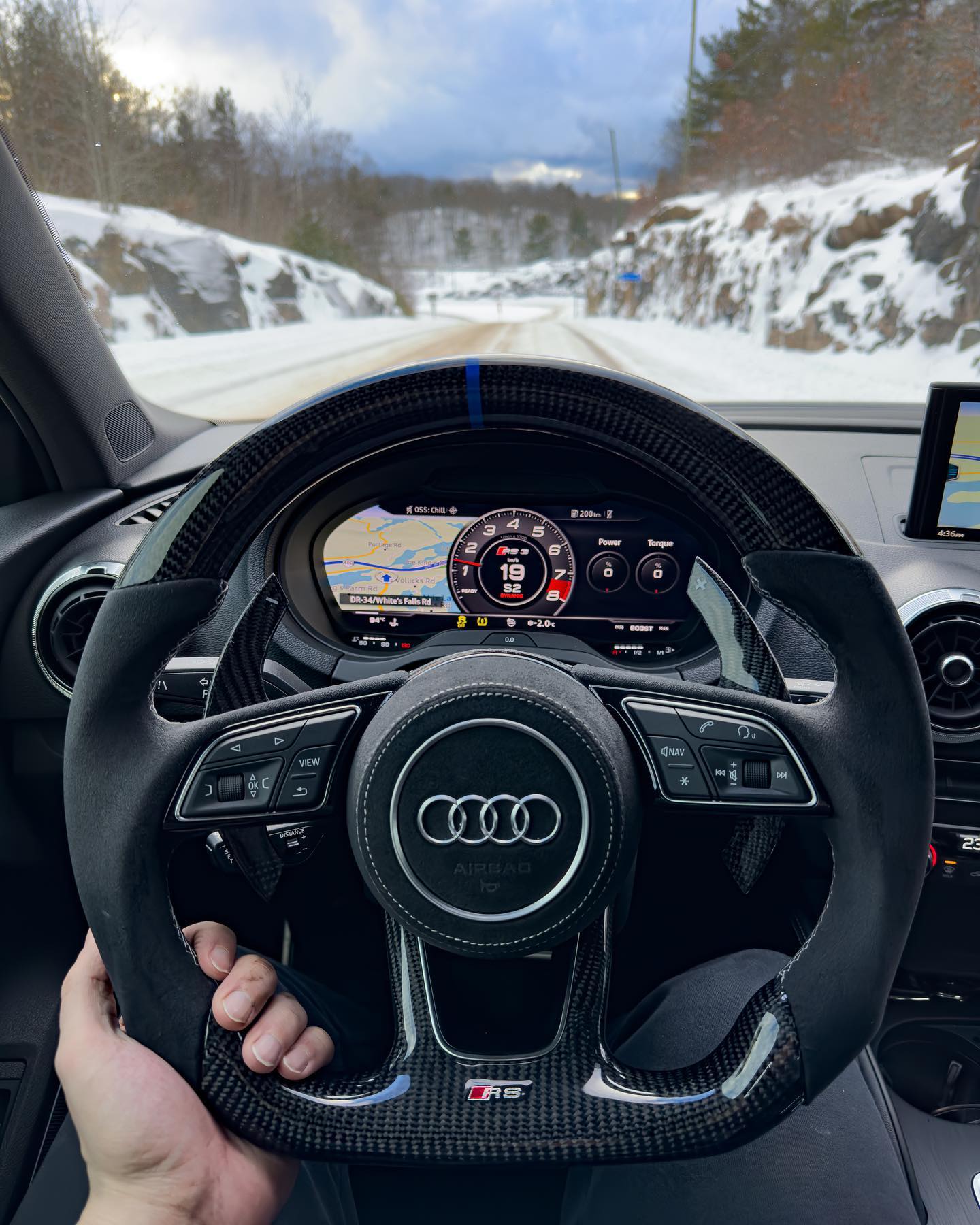
In an era of fluctuating gas prices and increasing environmental awareness, maximizing fuel efficiency has become a top priority for many drivers. While modern vehicles boast an array of advanced technologies designed to optimize fuel consumption, such as auto stop-start, cylinder deactivation, and electronic fuel injection, one feature that often goes overlooked is cruise control. Although primarily viewed as a convenience feature, cruise control—particularly adaptive cruise control—can actually contribute to better fuel economy when used correctly.
How to Talk to Your Mechanic: Key Tips for Clear Communication About Your Car
by Write
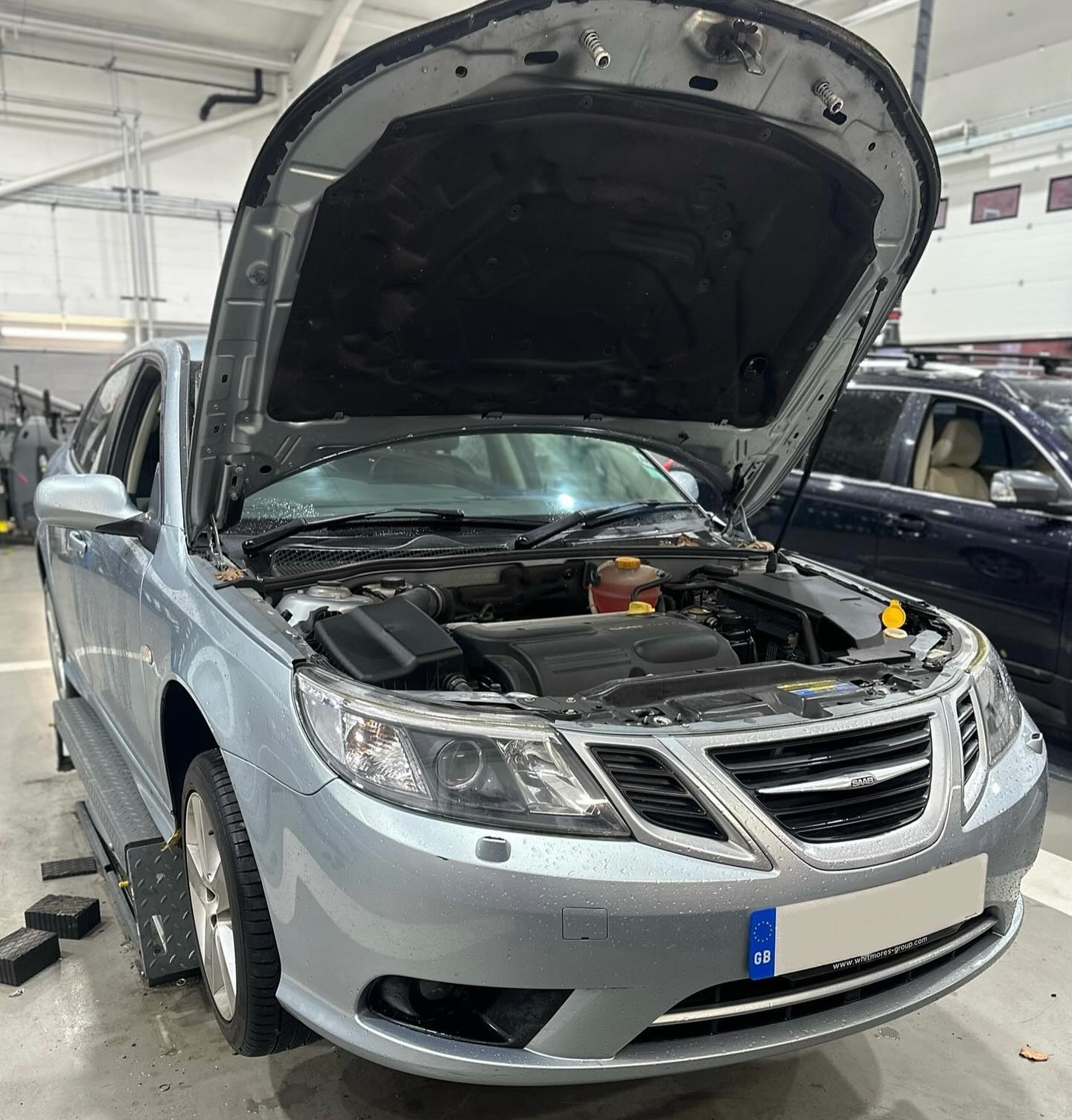
When it comes to maintaining and repairing your vehicle, effective communication with your mechanic is crucial. A good mechanic can translate the complex inner workings of your car into easy-to-understand language, but it's up to you to ask the right questions and provide relevant information. By following a simple framework, you can ensure a positive experience during your next visit to the auto repair shop, saving you time, money, and unnecessary stress.