Articles & Advices
Discover our library of in-depth articles and valuable advice
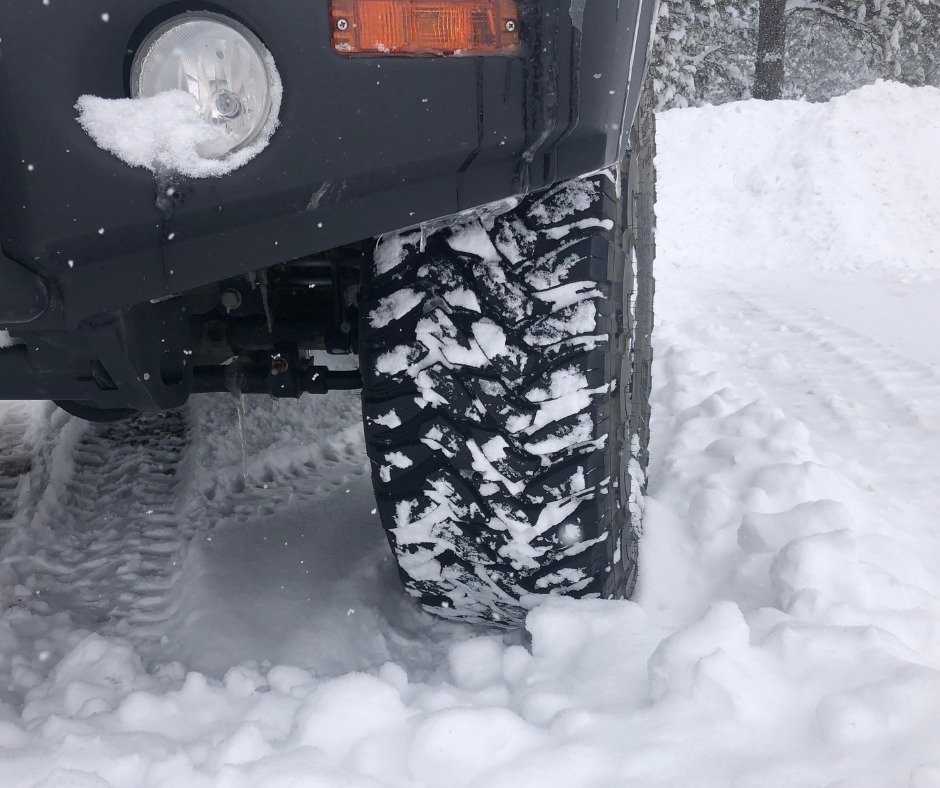
Snow Tires vs. All-Season Tires: Which Is Best for Your Winter Driving Needs?
by Write
As the temperature drops and winter approaches, drivers face the perennial question: Should I invest in snow tires or stick with my all-season tires? Understanding the differences between these two types of tires is crucial for anyone who lives in regions where snow, ice, and cold temperatures are part of the seasonal norm. In this comprehensive guide, we'll delve into the nuances of snow tires versus all-season tires, explore how different drivetrains perform in winter conditions, and help you make an informed decision to enhance your safety on the road.

Effective Tips to Stop Condensation in Your Car
by Write
To keep condensation off your car’s windows, focus on controlling interior moisture. Use your air conditioning system regularly, ensure proper ventilation, address any leaks, and consider moisture-absorbing products. Seasonal adjustments, from clearing snow off mats in winter to employing recirculation modes in summer, also help maintain clear visibility and protect your interior.

Effective Tips to Eliminate Musty Odors from Your AC
by Write
Few experiences can be as unpleasant as starting your car on a warm day, turning on the AC, and being greeted by a moldy, musty odor wafting through the vents. Understanding why this happens is the first step toward effectively dealing with it. The primary culprit behind these odors is the presence of moisture and organic contaminants—like mold, mildew, and bacteria—within the AC’s evaporator case, ducts, and filters.
All articles
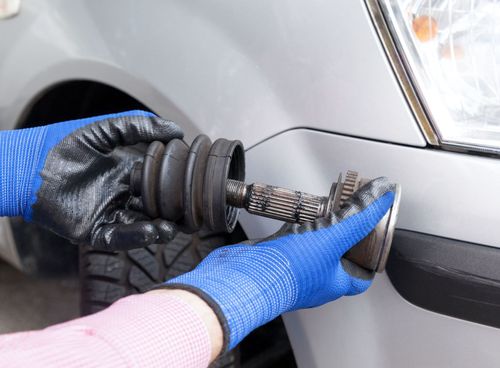
CV Joint Replacement Cost: What to Expect
by Write
The constant velocity (CV) joint plays a pivotal role in transferring power from your vehicle's engine to its wheels. As vehicles evolve, so do their components, including CV axles and joints. Understanding the costs associated with CV joint replacement and recognizing the signs of wear can save you time and money.
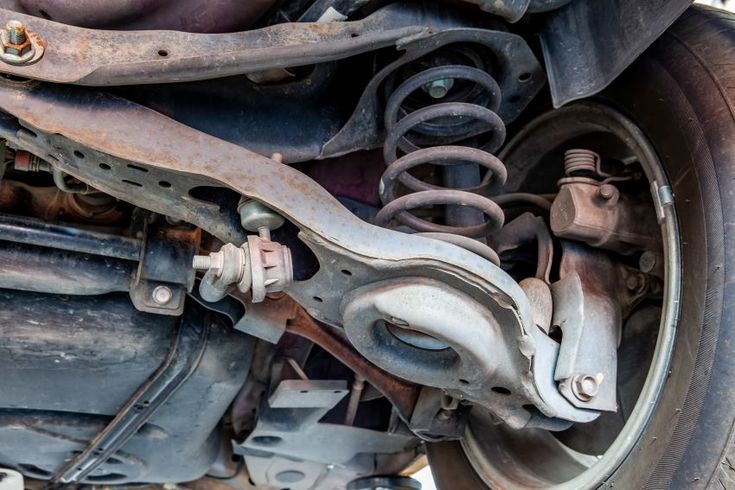
Shocks and Struts: Facts and Maintenance Tips
by Write
Your vehicle's suspension system serves two main purposes: ensuring maximum tire contact with the road and providing a comfortable ride for passengers. By maintaining tire contact, the system enhances handling and safety during maneuvers such as cornering, braking, and accelerating. Simultaneously, it absorbs road irregularities, reducing vibrations and jolts that passengers feel, thereby contributing to a smoother driving experience.

Double Wishbone vs. MacPherson Strut Suspension: Key Differences and Benefits
by Write
A vehicle's suspension system plays a crucial role in ensuring a smooth and controlled driving experience. It works in tandem with the steering system to manage road imperfections, maintain tire contact, and provide stability during maneuvers. Among the various suspension designs, the Double Wishbone and MacPherson Strut are the most widely used. Each has distinct characteristics, benefits, and drawbacks that influence their suitability for different types of vehicles.
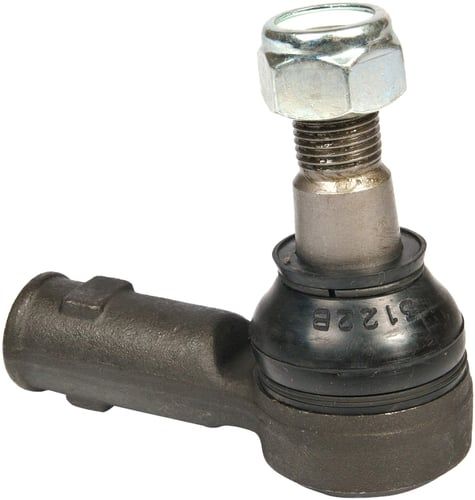
Common Symptoms of a Bad Tie Rod You Shouldn't Ignore
by Write
Steering tie rods are fundamental components in virtually every vehicle, playing a crucial role in steering and overall vehicle stability. Despite their long-standing design, understanding their functionality and recognizing signs of wear is essential for maintaining safe driving conditions. This guide delves into the importance of tie rods, common symptoms of their failure, diagnostic procedures, and maintenance tips to ensure your vehicle remains in optimal condition.
Essential Tips for Maintaining Your Auto Chassis
by Write
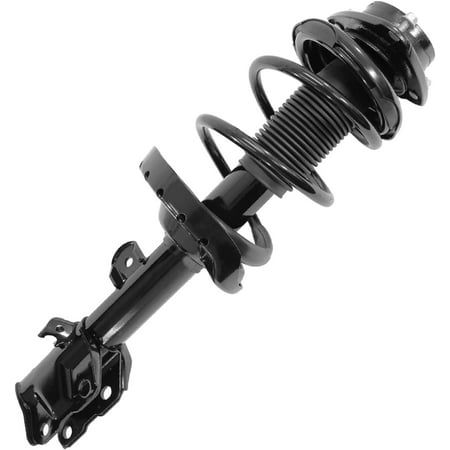
Your MotorVero vehicle’s chassis is integral to its performance, encompassing the steering and suspension systems. These components are in constant motion, necessitating regular maintenance to ensure longevity and optimal functionality. While modern vehicles have reduced the number of lubrication points compared to older models, several key areas still require periodic attention. Adhering to a maintenance schedule every six months or two oil changes is crucial for preventing premature wear and potential failures.
Leaf Spring vs. Coil Spring Suspension: Key Differences Explained
by Write
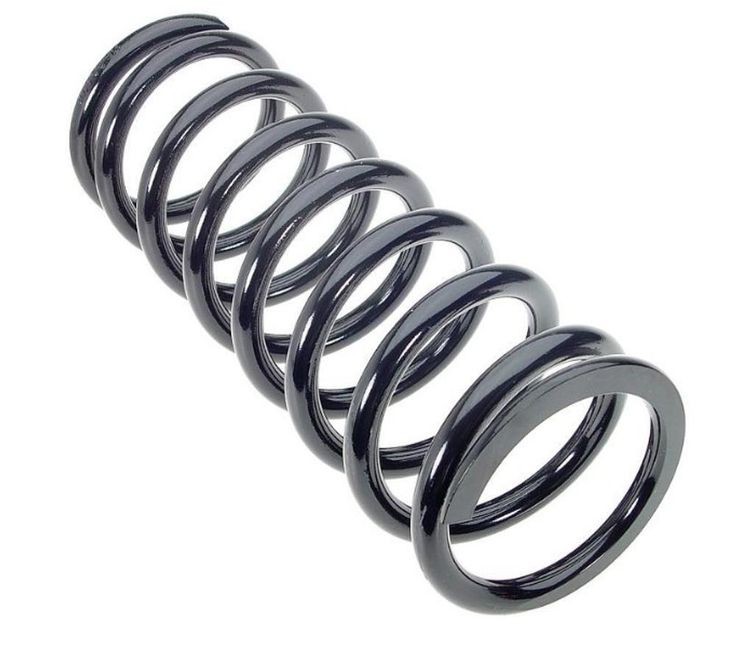
Every vehicle relies on a suspension system to ensure a smooth and controlled ride. This system, comprising various linkages, shock absorbers, and springs, connects the vehicle's body to its wheels. It plays a crucial role in managing the vehicle's handling, stability, and braking performance by allowing relative movement between the body and the wheels.
Step-by-Step Guide to Replacing Shocks and Struts on a 2002–2009 Chevy TrailBlazer
by Write
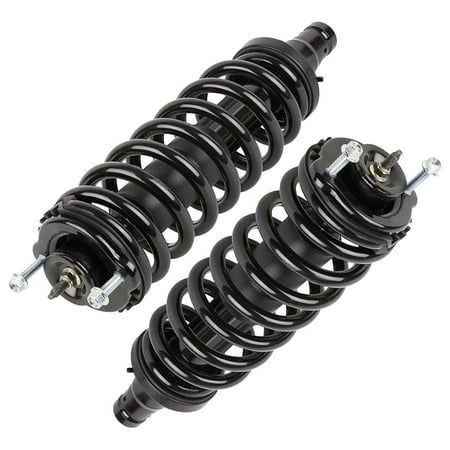
Enhancing or repairing the suspension system of your Chevy TrailBlazer can significantly improve your vehicle's handling and ride comfort. With MotorVero's quality parts and the appropriate tools, you can undertake this task at home efficiently. Follow this detailed guide to replace the shocks and struts safely and effectively.
Top Benefits of Loaded Struts for Your Vehicle
by Write
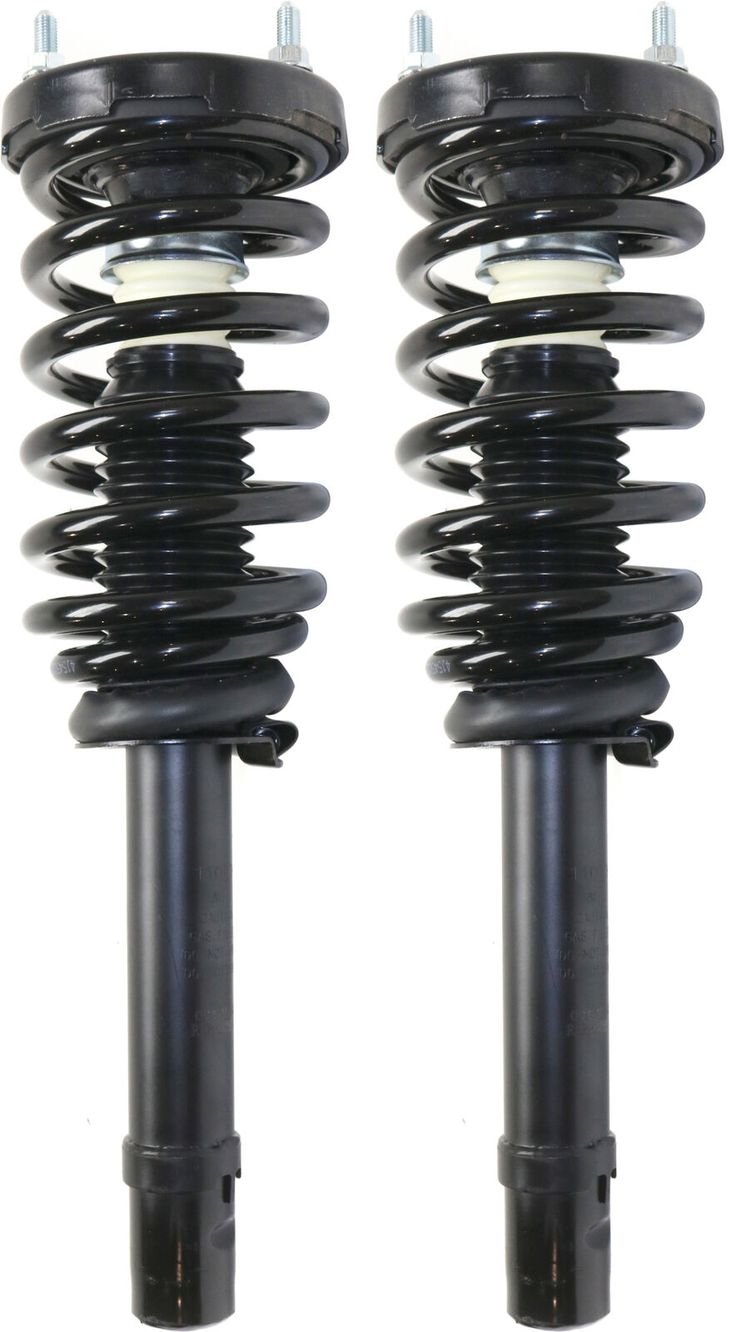
Upgrading your vehicle's suspension system is crucial for maintaining optimal performance and ensuring a comfortable driving experience. MotorVero Loaded Struts present a superior alternative to traditional strut replacements, offering numerous benefits that cater to both safety and convenience. This article delves into the key advantages of choosing MotorVero Loaded Struts, highlighting why they are a preferred choice for vehicle owners seeking reliability and performance.
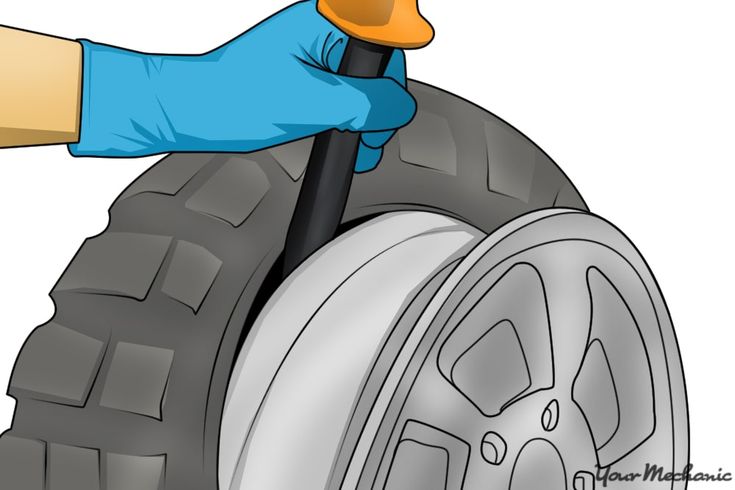
Step-by-Step Guide to Changing a Tire Valve Stem
by Write
Every vehicle relies on properly inflated tires to ensure safe and efficient driving. The tire valve stem plays a crucial role in maintaining the correct air pressure by allowing air to enter and exit the tire. A malfunctioning or damaged valve stem can lead to air leaks, reduced tire pressure, and potentially hazardous driving conditions. Addressing valve stem issues promptly is essential for vehicle safety and performance.