Articles & Advices
Discover our library of in-depth articles and valuable advice
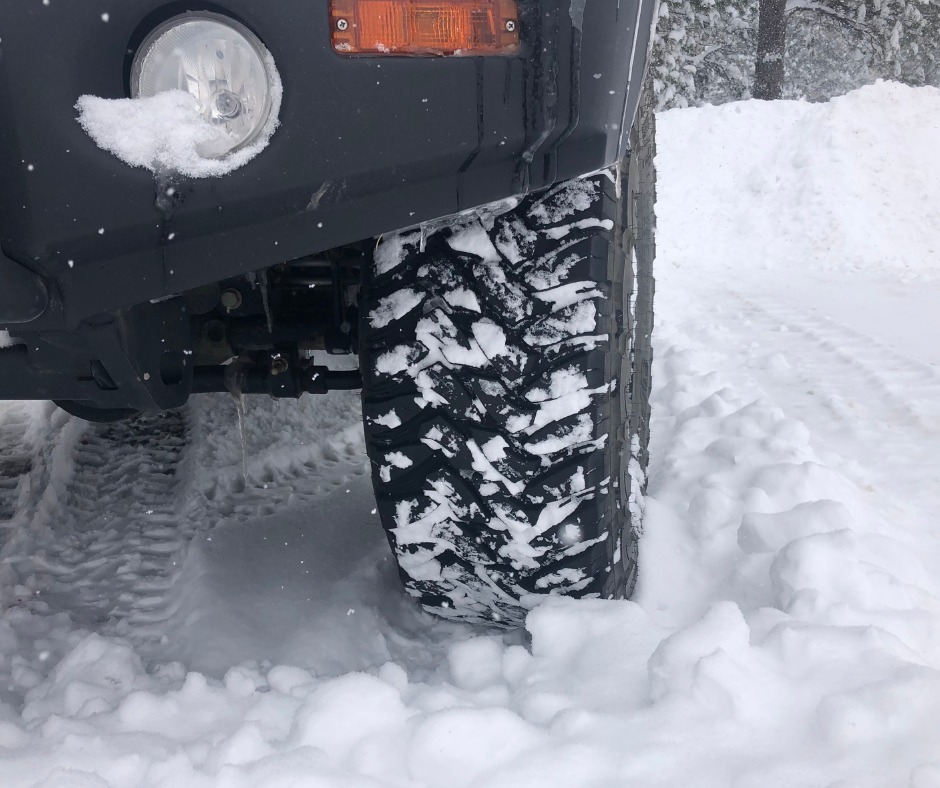
Snow Tires vs. All-Season Tires: Which Is Best for Your Winter Driving Needs?
by Write
As the temperature drops and winter approaches, drivers face the perennial question: Should I invest in snow tires or stick with my all-season tires? Understanding the differences between these two types of tires is crucial for anyone who lives in regions where snow, ice, and cold temperatures are part of the seasonal norm. In this comprehensive guide, we'll delve into the nuances of snow tires versus all-season tires, explore how different drivetrains perform in winter conditions, and help you make an informed decision to enhance your safety on the road.

Effective Tips to Stop Condensation in Your Car
by Write
To keep condensation off your car’s windows, focus on controlling interior moisture. Use your air conditioning system regularly, ensure proper ventilation, address any leaks, and consider moisture-absorbing products. Seasonal adjustments, from clearing snow off mats in winter to employing recirculation modes in summer, also help maintain clear visibility and protect your interior.

Effective Tips to Eliminate Musty Odors from Your AC
by Write
Few experiences can be as unpleasant as starting your car on a warm day, turning on the AC, and being greeted by a moldy, musty odor wafting through the vents. Understanding why this happens is the first step toward effectively dealing with it. The primary culprit behind these odors is the presence of moisture and organic contaminants—like mold, mildew, and bacteria—within the AC’s evaporator case, ducts, and filters.
All articles

Essential Tips for Safe Driving Practices
by Write
Summer brings warm weather and extended daylight hours, enticing many to hit the road. However, data from the Insurance Institute for Highway Safety (IIHS) reveals that July and August are the deadliest months for drivers. With increased alcohol consumption, inexperienced teenage drivers on vacation, and crowded roads, summer driving poses unique risks. Understanding these dangers can help you prepare and stay safe.
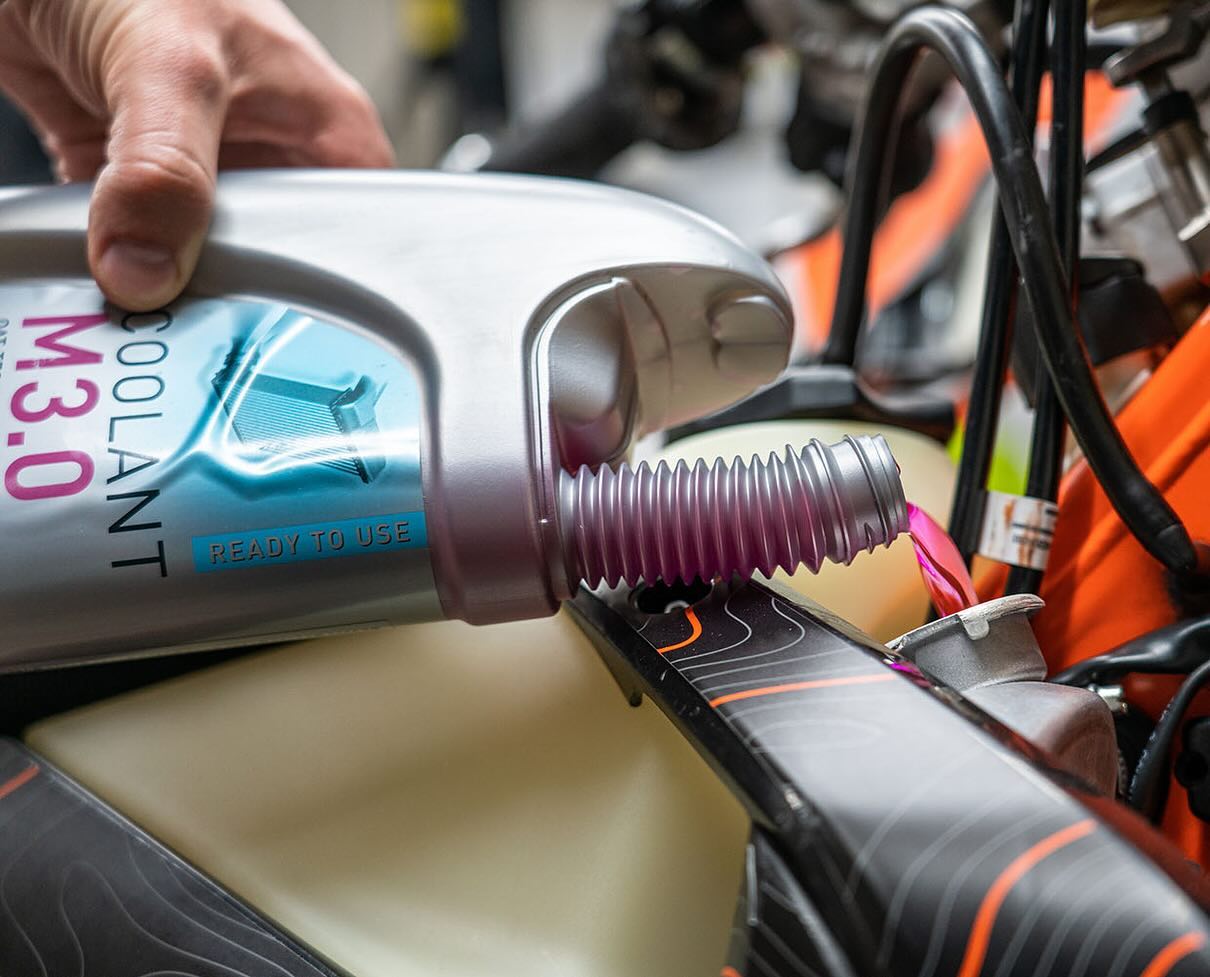
Does Antifreeze/Coolant Have an Expiration Date?
by Write
Within the heart of every internal combustion engine lies a carefully balanced system designed to regulate temperature. Antifreeze and coolant are at the core of this system, working together to prevent overheating, guard against freezing in cold climates, and protect critical components from corrosion.

Step-by-Step Guide to Replacing Your Vehicle’s Thermostat
by Write
The car thermostat is a compact yet vital component of your vehicle’s cooling system. Its job is to regulate coolant flow, ensuring the engine warms up efficiently and then stays within a safe operating temperature range. A defective thermostat may cause excessive heat, unstable temperature readings, poor fuel economy, and even damage that compromises engine longevity. Replacing this part at the first sign of trouble is a direct way to restore proper temperature control and safeguard your engine’s health.
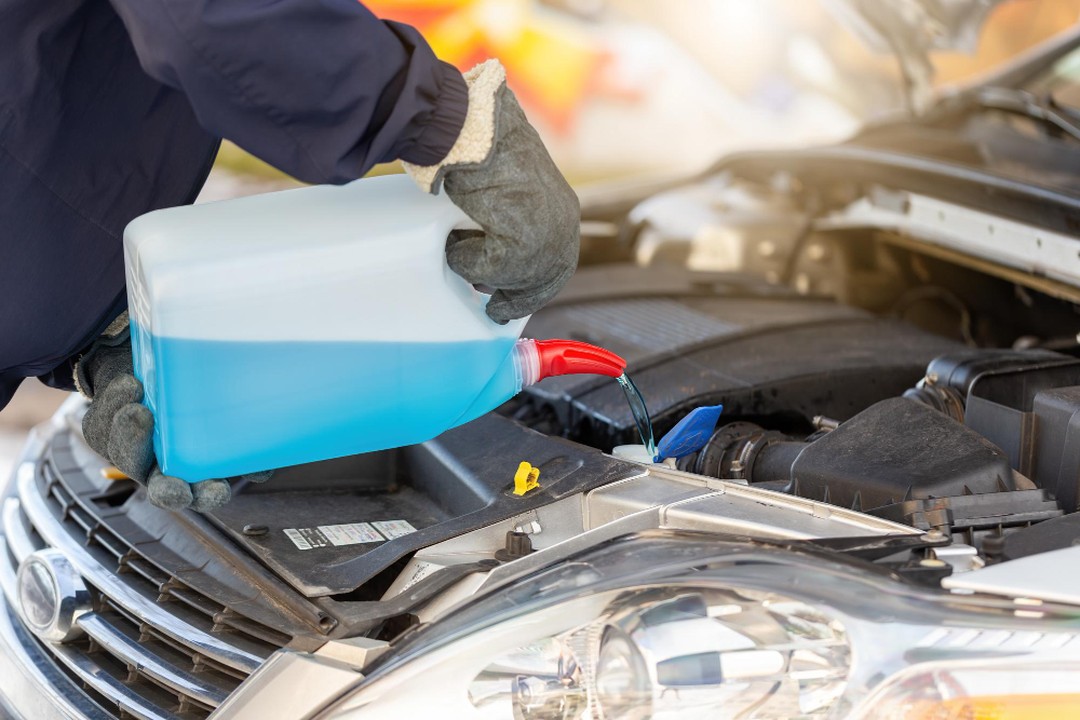
Antifreeze Explained: What It Is and How It Works
by Write
Engines operate under extreme conditions where temperature control is critical. Without an effective cooling medium, the immense heat generated by combustion can rapidly harm vital components. Antifreeze, often referred to as coolant when mixed with water, is central to preventing both overheating in the summer and ice formation in the winter.
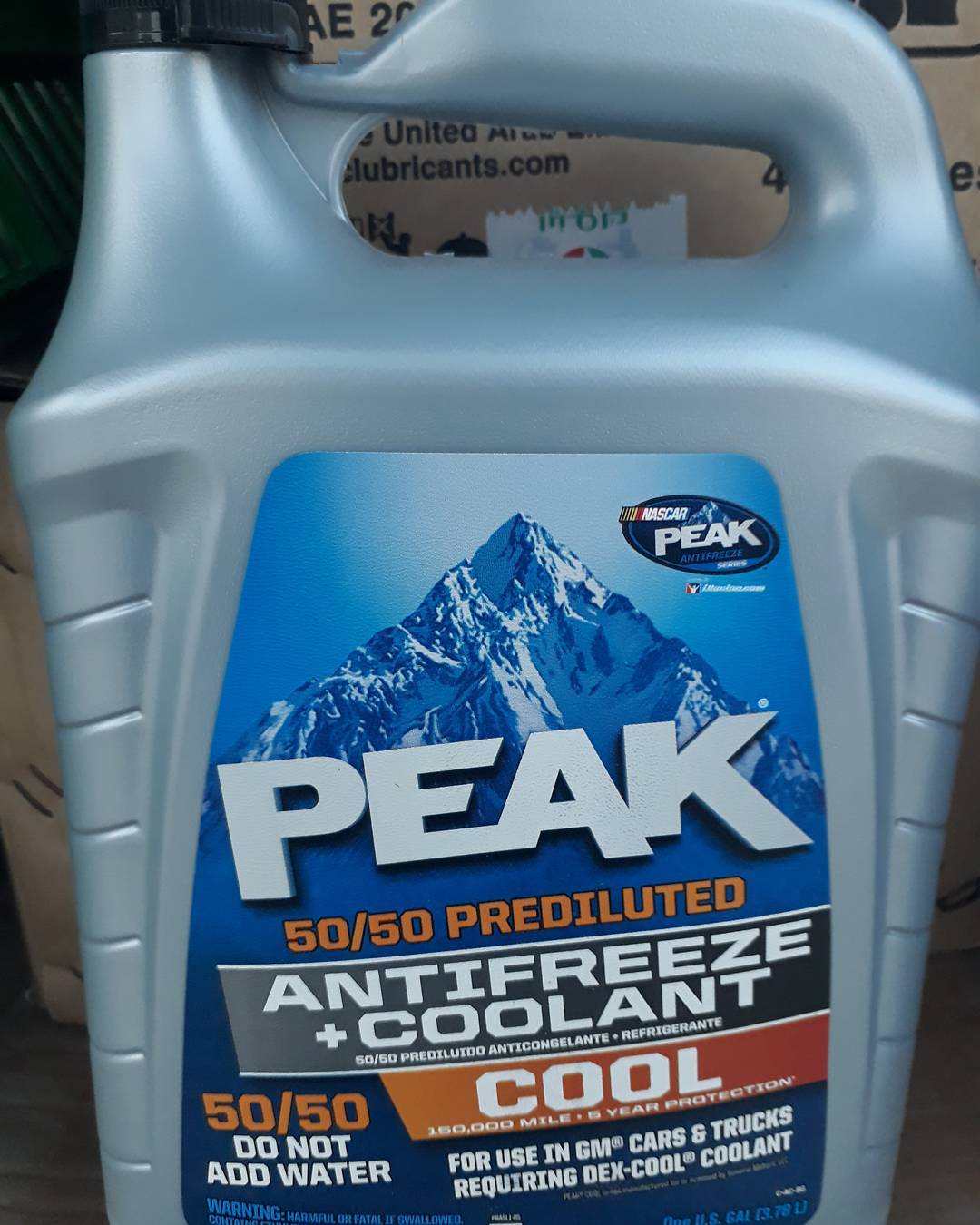
MotorVero DIY Guide | Understanding the Types of Antifreeze and Their Benefits
by Write
Antifreeze, also referred to as engine coolant, is a cornerstone of proper vehicle maintenance. Its primary role extends well beyond temperature control; it helps safeguard internal engine components from corrosion, scaling, and premature wear. Decades ago, drivers had limited choices—most vehicles ran on a standard green antifreeze, commonly mixed 50/50 with water. However, automotive technology and engine materials have evolved, prompting a shift in antifreeze formulations. Modern vehicles now rely on carefully engineered coolants suited to specific engine designs, materials, and thermal demands.
Guide to Detecting and Repairing Coolant Leaks
by Write
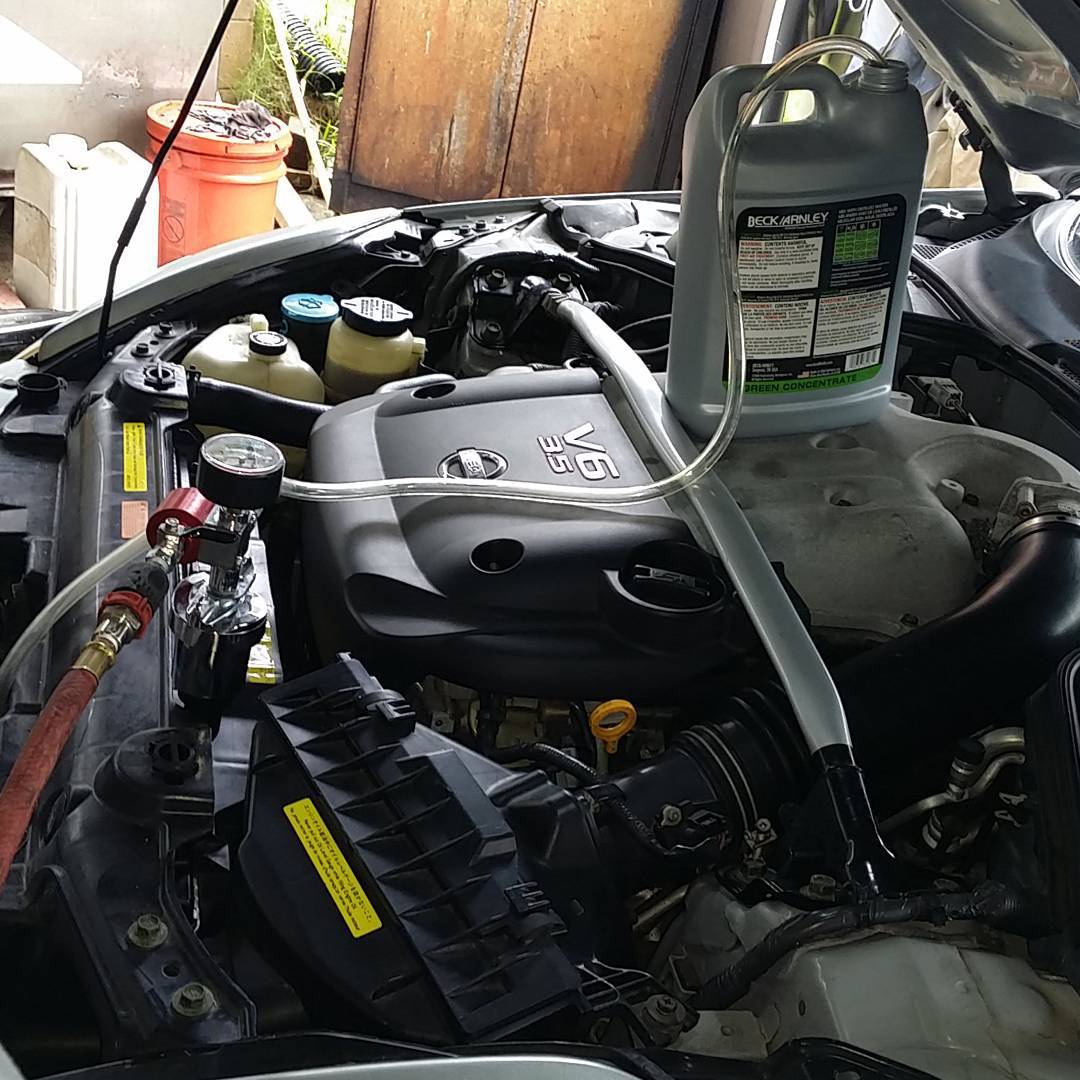
Engines generate tremendous heat during normal operation, often maintaining internal temperatures that range between 195 and 220 degrees Fahrenheit. To ensure these hot-running components do not suffer heat-related damage, every modern vehicle relies on a well-maintained cooling system.

Guide to Repairing a Radiator Leak: Quick and Easy Fixes
by Write
Experiencing a radiator leak can be unsettling, especially when you notice a pool of coolant under your vehicle or see the temperature gauge steadily creeping upward. The radiator is a critical component of your car’s cooling system, helping maintain proper engine temperature and preventing severe damage due to overheating. If your radiator fails to hold coolant, the engine’s temperature control becomes compromised.

Step-by-Step Guide: How to Replace a Car Radiator Easily
by Write
Begin by disconnecting the vehicle's battery to eliminate any electrical risks. Use a car jack to lift the vehicle and secure it with jack stands. Ensure the parking brake is engaged and place chocks behind the wheels to prevent movement. Always work on a cool engine to avoid burns from hot components or coolant.
Top Reasons for Coolant Leaks and How to Fix Them
by Write
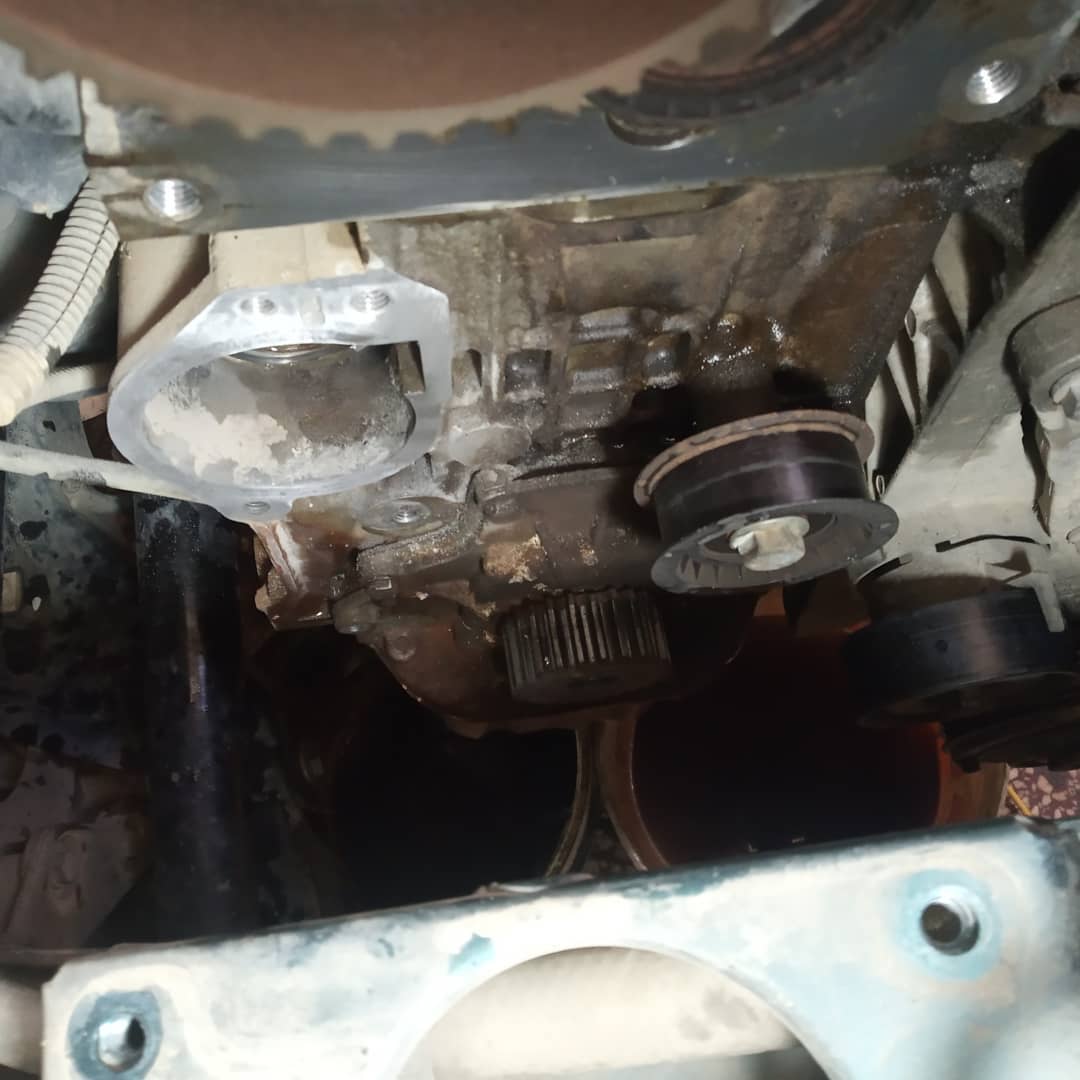
Maintaining the optimal temperature of your vehicle’s engine is paramount for its longevity and performance. The cooling system plays an essential role in regulating this temperature, and any malfunction within this system can lead to significant engine problems. One prevalent issue that vehicle owners encounter is coolant leaks, which can vary in severity from minor annoyances to major mechanical failures.